Do You Know Why Thrifting Is Also Called Sustainable Fashion?
In recent years, thrifting has transformed from a budget-friendly shopping option into a global fashion movement. Fashion lovers, environmentalists, and conscious consumers are embracing thrift shopping not only for its affordability but also for its positive impact on the planet. But have you ever wondered why thrifting is often referred to as sustainable fashion?
Let’s explore the connection.
What Is Thrifting?
Thrifting refers to purchasing pre-owned clothing, accessories, footwear, and other fashion items that have been previously used by someone else. These items are typically sold through thrift stores, vintage shops, online resale platforms, and curated second-hand fashion brands like DripCycle.
Instead of buying newly manufactured products, thrifting gives existing clothing a second life.
The Fashion Industry’s Environmental Impact
The fashion industry is one of the largest contributors to environmental pollution worldwide. Fast fashion brands produce millions of garments every year, leading to:
- Massive textile waste
- Excessive water consumption
- High carbon emissions
- Chemical pollution from dyes and manufacturing processes
- Overflowing landfills filled with discarded clothing
According to environmental studies, millions of tons of clothing are thrown away annually, with many garments ending up in landfills after being worn only a few times.
How Thrifting Supports Sustainability
1. Reduces Textile Waste
Every thrifted item purchased is one less item that ends up in a landfill. By extending the life cycle of clothing, thrifting significantly reduces waste and promotes responsible consumption.
2. Conserves Natural Resources
Manufacturing new garments requires enormous amounts of water, energy, and raw materials. When you choose second-hand clothing, you reduce demand for new production and help conserve valuable natural resources.
3. Lowers Carbon Footprint
Producing, transporting, and packaging new clothing generates greenhouse gas emissions. Thrifting minimizes the need for additional production, helping reduce the overall carbon footprint of the fashion industry.
4. Encourages Circular Fashion
Sustainable fashion focuses on creating a circular economy where products are reused, repaired, and recycled instead of discarded. Thrifting is a perfect example of circular fashion because it keeps garments in use for longer periods.
5. Fights Fast Fashion Culture
Fast fashion encourages consumers to buy more and discard clothing quickly. Thrifting promotes mindful shopping by encouraging people to value quality, uniqueness, and longevity over temporary trends.
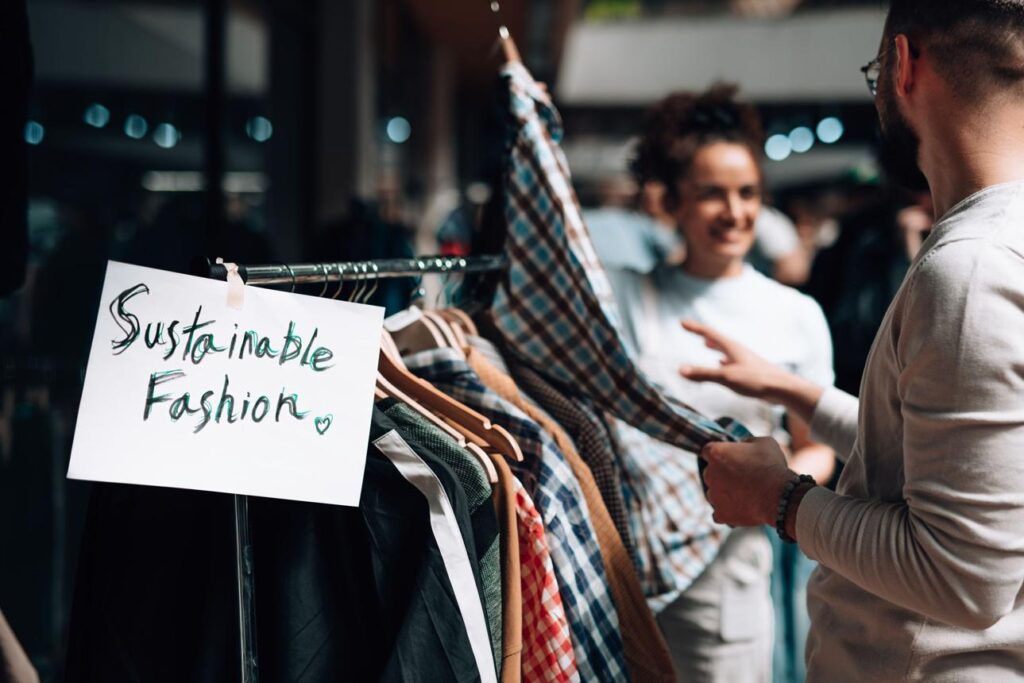
Thrifting Is More Than Just Saving Money
While affordability is one of the biggest attractions of thrift shopping, today’s consumers are increasingly choosing second-hand fashion because they care about the environment.
When you thrift, you are:
- Making an eco-conscious choice
- Supporting responsible consumption
- Reducing environmental waste
- Promoting sustainable living
- Expressing your personal style uniquely
Unique Fashion Without the Environmental Cost
One of the biggest advantages of thrifting is the opportunity to discover one-of-a-kind pieces. Vintage denim, oversized jackets, graphic tees, designer finds, and retro accessories often can’t be found in traditional retail stores.
This allows fashion enthusiasts to build distinctive wardrobes while minimizing environmental impact.
Why DripCycle Believes in Sustainable Fashion
At DripCycle, we believe fashion should be stylish, affordable, and environmentally responsible. By giving quality pre-loved clothing a second chance, we help reduce waste and encourage conscious fashion choices. For example: Transforming a saree into a streetstyle outfit.
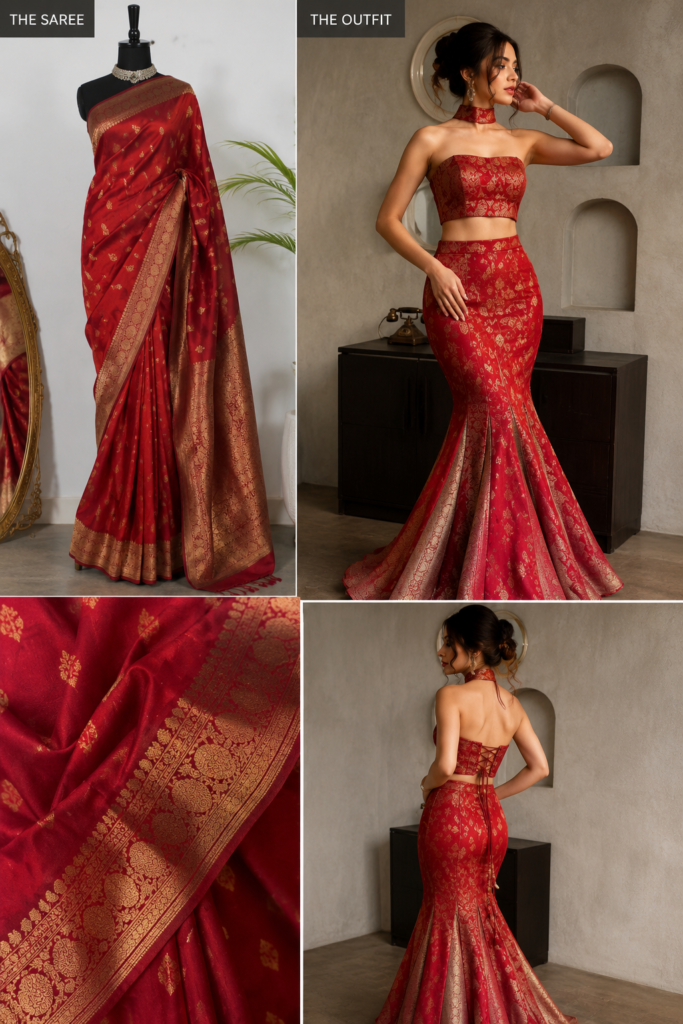
Every thrifted purchase contributes to a more sustainable future while allowing you to express your individuality through unique fashion finds.
Final Thoughts
Thrifting is called sustainable fashion because it helps reduce waste, conserve resources, lower carbon emissions, and extend the life of clothing. It’s a simple yet powerful way for consumers to make environmentally responsible choices without sacrificing style.
The next time you choose a thrifted piece, remember—you’re not just buying clothes; you’re contributing to a greener, more sustainable future.
Shop smart. Dress uniquely. Choose sustainability. Choose DripCycle.